
van der Weide Lab at UMC Utrecht
Chromatin Systems Biology
Connecting the dots between chromatin form and function
Every cell in the body carries the same genome, yet each one reads it differently. Which genes are used, and when, depends on many regulatory layers working together: how DNA is packed, which marks decorate it, where it sits in the nucleus, and what gets transcribed. When these layers fall out of sync, cells can lose their identity, stop dividing, or grow out of control. Yet we usually measure them one at a time, in different cells, and try to piece the picture together afterwards.
At the van der Weide Lab, we measure these layers together in the same single cell, and use computational biology and machine learning to understand how they work as a system. We focus on cells whose chromatin breaks the usual rules, because these exceptions show what each layer really does, and how its disruption contributes to disease.
Unusual biology often needs unusual tools, so we develop both.
Research
Our research asks how the many layers of gene regulation work together in a single cell, and what happens when they don’t. We want to understand gene regulation as a system, and use that to explain what goes wrong in disease. Our work rests on three connected pillars: single-cell methods that measure these layers together, computational and machine-learning approaches to connect them, and cells with non-canonical chromatin, where the usual rules break down.
1. Reading many layers of information in a single cell
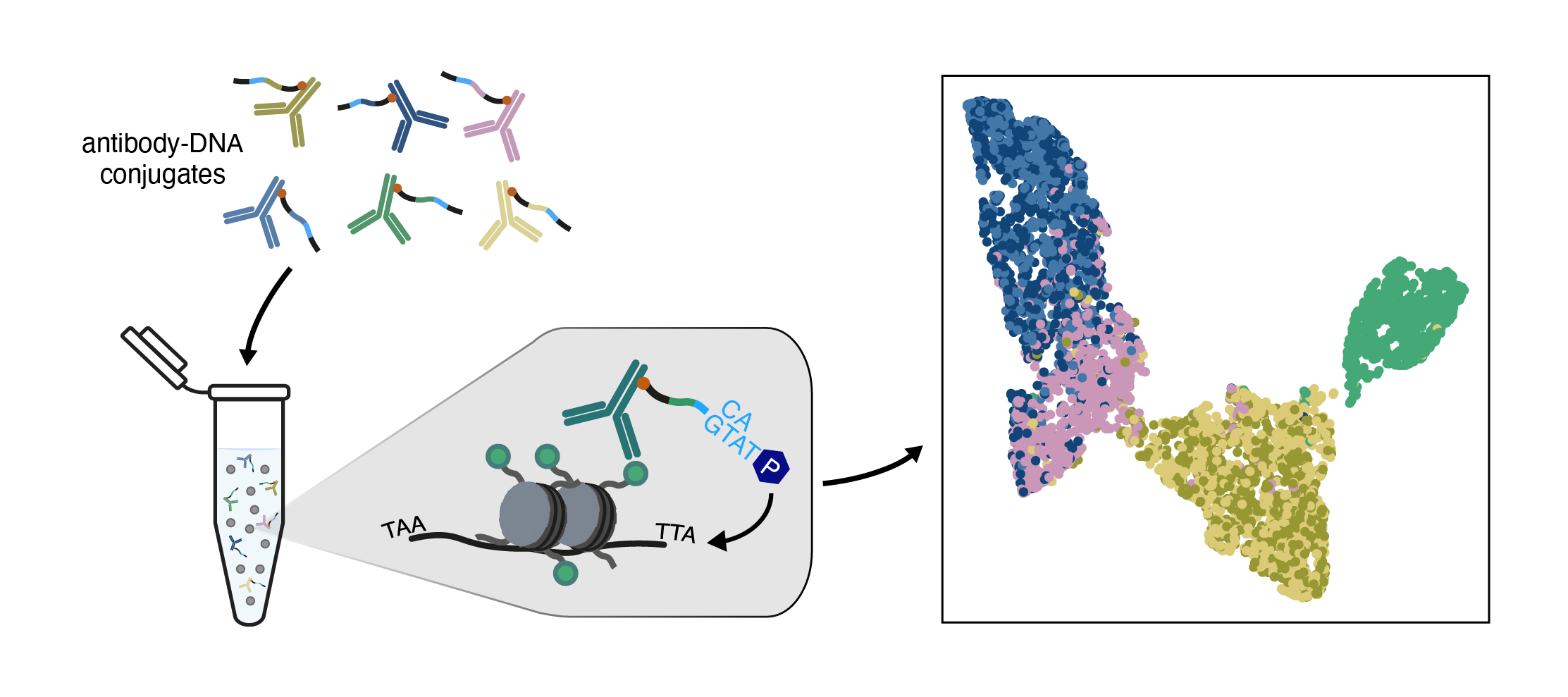
Gene regulation runs on many layers at once: chromatin marks, DNA-binding proteins, nuclear organisation and transcription. Most methods measure one layer at a time, and often in bulk, so it's hard to see how the layers combine or how they differ between cells.
We use and develop single-cell methods that profile dozens of DNA-protein interactions together with the transcriptome in the same cell, across many samples in a single experiment. This lets us ask questions that were out of reach with one-mark-at-a-time approaches.
2. From many layers to one regulatory system
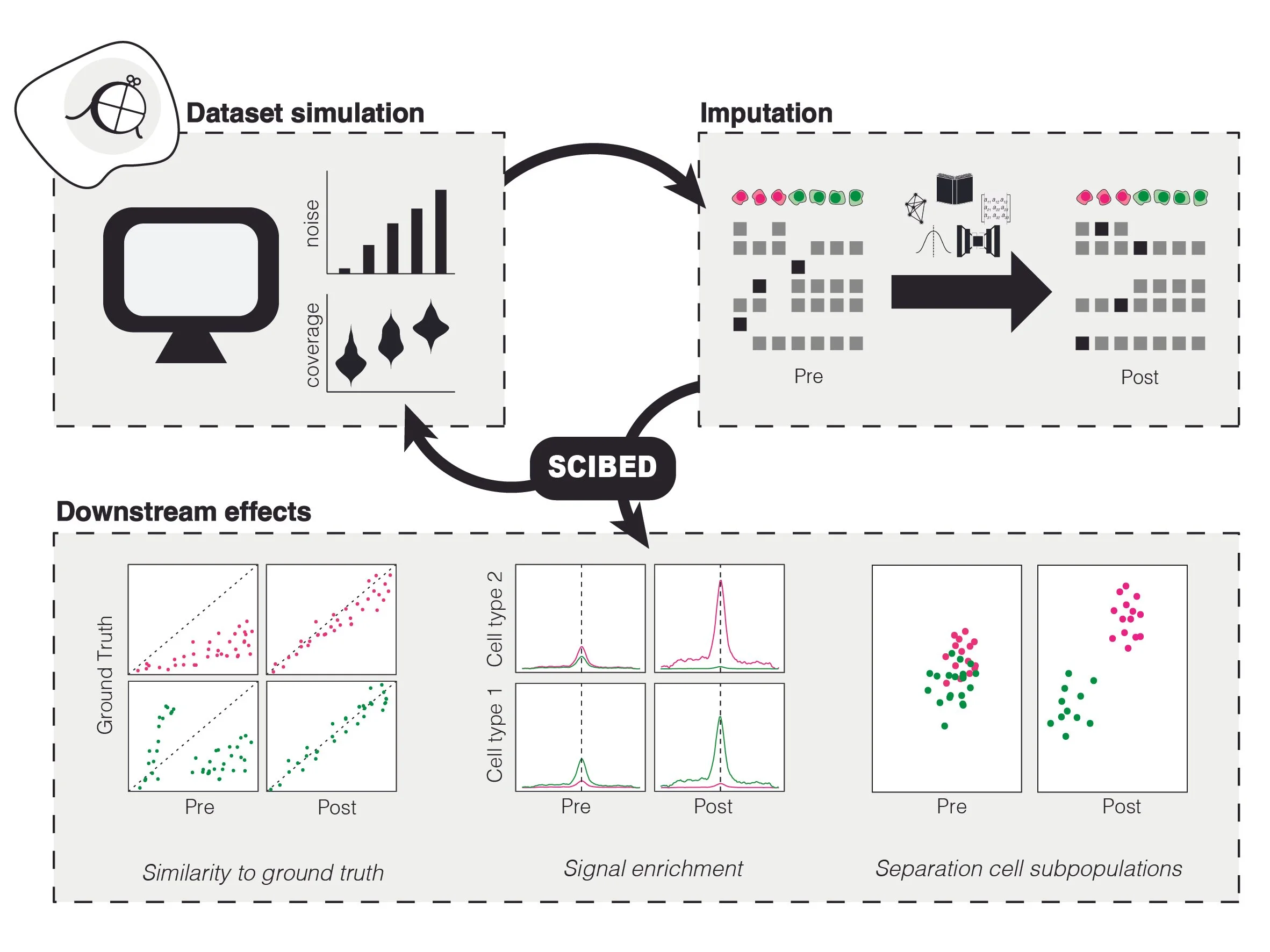
Measuring many layers in the same cell only pays off if we can connect them. Sparse signal, multiple modalities and technical artefacts make that hard, and make it easy to miss real biology or to find biology that isn't there.
We build computational and machine-learning approaches to integrate these layers and model how they work together, from imputing sparse single-cell data to learning which regulatory features shape gene expression. We also work as the computational partner for labs launching new assays.
3. Learning from cells that break the rules
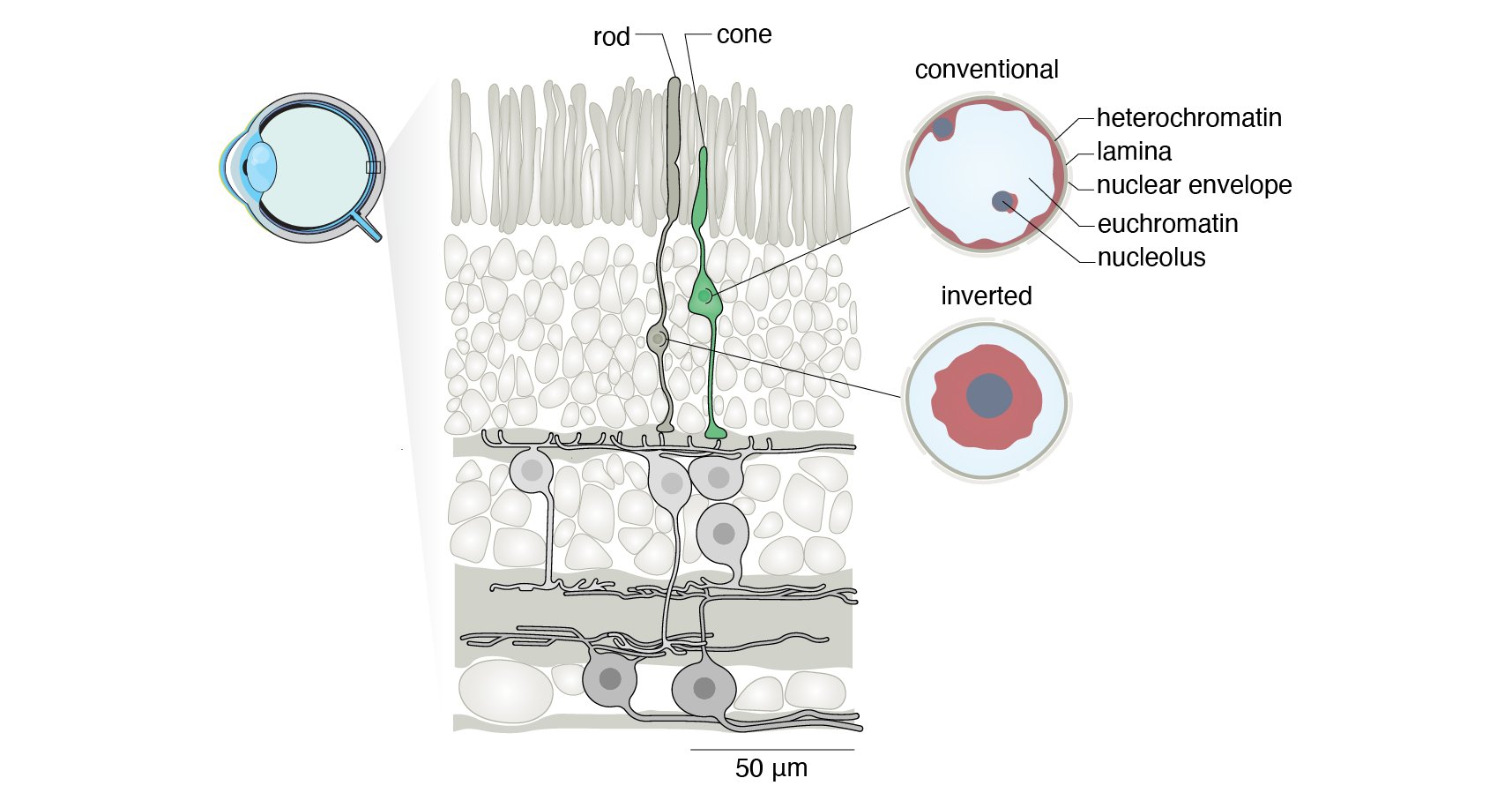
In a textbook nucleus, active DNA sits in the centre and silent DNA is packed against the edge. Rod photoreceptors in nocturnal animals flip this around. Senescent cells fold their chromatin into dense foci. These systems are often treated as curiosities.
We see them as natural experiments. By applying our single-cell and computational tools to them, we ask which chromatin features really drive gene regulation, and what happens when they fail.
Meet the Team
-
![Portrait of a smiling blond man with a beard wearing a light-colored collared shirt]()
Robin van der Weide
Group leader / Asst. Prof
-
![Professional headshot of a smiling woman wearing round glasses and a black collared shirt]()
Sandra Nitsch
Staff technician
-
![Portrait of a smiling man with a bun wearing a navy blue suit jacket and white shirt]()
Giacomo Broglia
PhD-student
-
![Smiling man with tousled dark hair and light facial hair wearing a burgundy shirt]()
Ruben Bakker
Lecturer & Researcher
-
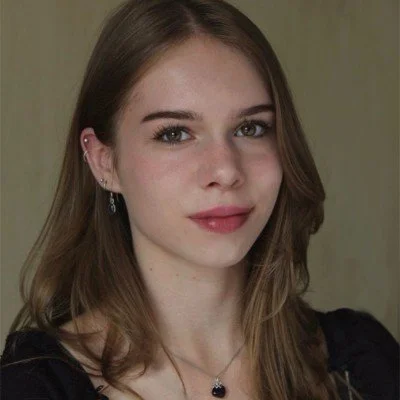
![Portrait of a young woman with long brown hair, green eyes, earrings, and a pendant necklace.]()
Anouk Keur
BSc student




Publications
-
A computational framework to dissect imputation strategies for single-cell histone modification data
Marta Moreno-González, Jeroen de Ridder, Jop Kind, Robin H van der Weide
NAR Genomics and Bioinformatics, December 2025. PMID: 41472883
-
Combinatorial single-cell profiling of major chromatin types with MAbID
Silke J. A. Lochs*, Robin H. van der Weide*, Kim L. de Luca, Tessy Korthout, Ramada E. van Beek, Hiroshi Kimura & Jop Kind
Nature Methods, January 2024. PMID: 38049699
News
-
In his role as a PhD-student, Giacomo will be working on single-cell multi-modal data analysis to disentangle non-canonical chromatin systems. Welcome Giacomo!
-
Sandra will be responsible for the wet lab as staff technician, while Anouk will be performing her BSc Bioinformatics thesis project. Welcome both!
-
Robin has been appointed as an Assistant Professor at the University Medical Center Utrecht.
-
Marta Moreno-González, Jeroen de Ridder, Jop Kind, Robin H van der Weide, A computational framework to dissect imputation strategies for single-cell histone modification data, NAR Genomics and Bioinformatics